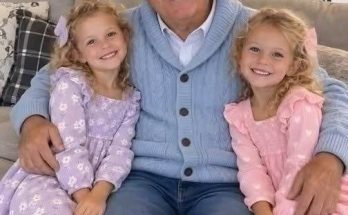
The school fight affected Leo longer than the suspension.
Not because of punishment.
Because the video spread.
Several students stopped mentioning it once administrators intervened.
Others whispered.
Teenagers can turn any private pain into social currency.
Leo became quieter for several weeks.
Dr. Patel resumed more frequent sessions.
This time, I did not interpret that as regression.
People revisit old injuries from new ages.
At eleven, Leo feared his father’s crimes made him unsafe.
At thirteen, he feared they made him socially contaminated.
Different problem.
Same history.
Sarah handled it better than I expected.
She did not call the school demanding names.
Did not threaten parents.
Did not post explanations.
She asked Leo what he wanted.
He wanted adults to stop making him feel like a case.
So we did.
The school managed discipline.
Dr. Patel handled therapy.
Sarah and I handled home.
No media.
No public defense campaign.
No explanation to neighbors.
Privacy.
One night, Leo sat at my kitchen island doing algebra.
He had Sarah on speakerphone because she was helping.
I listened from the living room.
“Move the three,” she said.
“You can’t move numbers.”
“You know what I mean.”
“No, I don’t.”
“Subtract three from both sides.”
“Why didn’t you say that?”
“Because I believed in your intelligence.”
“That feels manipulative.”
I laughed loudly enough for both of them to hear.
Sarah shouted through the phone, “Stay out of this, Mom.”
“Healthy boundary,” I called back.
Leo groaned.
For a few minutes, we were a family arguing about algebra.
Nothing beneath it.
No money.
No lies.
No police.
I almost cried from the ordinariness.
Then I realized I did not need to.
Not every good moment required grief for the bad ones.
It could simply be good.
My estate plan came up again that autumn.
Not because of crisis.
Because Leo was getting older.
Elaine wanted to review the trust structure as he approached high school.
She explained education distributions.
Age thresholds.
Independent trustees.
Safeguards.
I nodded.
Then she asked, “What role do you want Sarah to have after your death?”
The question landed harder than expected.
The current documents allowed Sarah input on Leo’s personal needs but no financial control.
That had made sense when she was in prison.
Now she had years of stability.
Employment.
Housing.
Restitution compliance.
No new offenses.
Her relationship with Leo had improved substantially.
Still, financial access remained different.
“I don’t know.”
“You don’t have to change anything.”
“I know.”
“But?”
“I wonder if leaving everything exactly as it is becomes another kind of frozen judgment.”
Elaine leaned back.
“Maybe.”
“I don’t want to pretend nothing changed.”
“Then acknowledge change where evidence supports it.”
“Without giving her financial control.”
“Yes.”
Trust has pieces.
Again.
We revised nothing immediately.
Instead, Elaine suggested creating a nonbinding guidance letter for the trustee.
It could state that Sarah’s views regarding Leo’s education, housing, and personal circumstances should be considered if their relationship remained healthy.
Not controlling.
Consulted.
That felt right.
I told Sarah weeks later.
She went quiet.
“You didn’t have to.”
“I know.”
“Does this mean you trust me with the trust?”
“No.”
She laughed.
“Very clear.”
“I trust your relationship with Leo more than I did.”
“Thank you.”
No complaint about the limit.
No argument that consultation was insulting.
Progress measured again by what did not happen.
Sarah’s restitution obligations would continue for years.
She accepted that.
She sold her car after maintenance costs became too high and bought a cheaper one.
No call asking me to cover repairs.
She changed jobs to a medical supply warehouse with better pay.
That required a background review.
She disclosed her convictions before the formal check.
They hired her anyway.
When she told me, pride arrived without panic.
I let myself feel it.
“Congratulations.”
“That’s all?”
“What do you want, balloons?”
“I was expecting a lecture about budgeting.”
“I’m retired from unsolicited financial management.”
“Good.”
Then, after a pause:
“I’m proud of you.”
Sarah went silent.
I almost regretted it.
Then she said, “Thank you.”
No crying.
No using the moment to ask for more.
Just receiving.
That was another skill.
Leo eventually returned to soccer.
At the first match after suspension, Sarah and I sat on the same sideline.
Not together.
Ten feet apart.
Then rain started.
Everyone crowded beneath the small shelter.
Suddenly Sarah stood beside me.
Shoulder to shoulder.
Neither of us moved away.
Leo scored late in the game.
He looked toward the sideline.
Saw both of us.
Grinned.
Not because one had won.
Because both were there.
Afterward, we went for pizza.
Leo talked almost continuously.
Sarah listened.
I corrected his version of the goal twice.
He accused me of ruining storytelling.
Sarah said, “She has become obsessed with factual accuracy.”
“Trauma response,” I said.
We laughed.
There were days like that now.
Enough that crisis no longer defined us.
Then there were harder days.
The anniversary of Michael’s death.
The date Voss disappeared.
Sarah’s original sentencing date.
Leo’s birthday, when he remembered how many years had passed.
Healing did not erase calendars.
On Michael’s anniversary, Sarah asked whether she could visit the cemetery.
With me.
That was new.
I considered it for two days.
Then agreed.
We drove separately.
Michael’s grave looked ordinary.
Grass.
Stone.
Flowers.
The bronze vase where Sarah once hid the phone had been replaced after police removed it as evidence.
We stood there silently.
Sarah touched the top of the stone.
“I’m sorry, Dad.”
I looked away.
That apology did not belong to me.
After several minutes, she said, “I think I blamed him for dying.”
The sentence surprised me.
“What?”
“Not consciously.”
She stared at the stone.
“He left, and then everything became harder.”
“He didn’t choose cancer.”
“I know.”
“But feelings aren’t choices.”
She glanced at me.
“Dr. Patel infected you too.”
“Unfortunately.”
Sarah continued.
“I think I turned anger at him into anger at his rules.”
That made sense.
Dead parents cannot answer arguments.
Their boundaries remain without the relationship capable of explaining them.
“I used to think if I proved Dad wrong financially, I could prove he had underestimated me.”
“You chose an unusual method.”
“Fraud?”
“Yes.”
She laughed once.
Then cried.
We stood there.
I did not comfort her immediately.
After a while, she reached for my hand.
I let her hold it.
Not to stop the grief.
To share the moment.
There is a difference.
Before leaving, I placed Michael’s brass level against the top of his headstone.
Sarah stared.
“What are you doing?”
“Checking the installation.”
“You are ridiculous.”
“The man would want to know.”
The bubble sat almost perfectly centered.
Sarah laughed through tears.
“Of course.”
That evening, Leo asked how the cemetery visit went.
“Sad.”
“Good sad or bad sad?”
“I reject the categories.”
He nodded.
“Complicated.”
“Yes.”
He had learned my worst word.
Winter came.
Then another spring.
Sarah’s financial loan to me for the apartment deposit ended.
Final payment: one hundred dollars.
She included a note.
PAID IN FULL. PLEASE DO NOT FRAME THIS.
I framed it.
Not because of the money.
Because some jokes deserve consequence.
When Sarah saw it on my desk, she groaned.
“This is humiliating.”
“Healthy discomfort.”
“You’ve become unbearable.”
“Growth.”
We laughed.
Then she noticed something beside the frame.
Michael’s original note about Pine Ridge.
I had placed it there temporarily after reorganizing documents.
She asked, “Can I read it again?”
“Yes.”
She stood quietly.
Money should give you choices. If it becomes the thing that decides whether people stay, it owns you instead.
Sarah looked at me.
“I think Dad would be shocked I work inventory.”
“He would ask if your counts reconcile.”
“They do.”
“Then he’d still check.”
“Definitely.”
We sat.
Then Sarah said, “I want to ask something.”
The phrase no longer triggered immediate panic.
Progress.
“What?”
“Leo mentioned college.”
“He’s thirteen.”
“He plans aggressively.”
“That he does.”
“He said you told him the trust could pay.”
“Yes.”
Sarah looked uncomfortable.
“I want to contribute too.”
I stared.
“How?”
“I’ve been saving.”
“For what?”
“I don’t know. Life.”
“Good use.”
She continued.
“I want to open an education account for him. Small. My money.”
My first instinct was pride.
Second: concern.
“Can you afford it?”
“Yes.”
“After restitution?”
“Yes.”
“Emergency savings?”
“Yes.”
“Then it’s your choice.”
Sarah nodded.
“I wanted to tell you because before, I would have turned it into competition.”
“With me?”
“With Dad. You. Anyone.”
“And now?”
“I want Leo to know some of his future came from work I actually did.”
That mattered.
Not to prove love.
To practice responsibility.
“Do it.”
She did.
Fifty dollars a month.
Nothing compared with Michael’s trust.
Everything compared with the old pattern.
Months later, Leo found out.
Sarah had not told him immediately.
He asked why.
“I didn’t want you thanking me every month.”
“That’s weird.”
“I wanted it to exist without buying anything from you.”
Leo stared.
Then looked at me.
I smiled.
“Your mother is becoming annoyingly healthy.”
Sarah threw a napkin at me.
Family dinner.
No crisis.
Then, one summer evening, Elaine called.
I almost joked about her only contacting me when buried documents resurfaced.
Her tone stopped me.
“There’s one remaining matter from Michael’s estate.”
My stomach tightened despite years of practice.
“What now?”
“Nothing criminal.”
“Good start.”
“A charitable foundation contacted the firm.”
“Why?”
“Michael apparently made a contingent pledge.”
I closed my eyes.
“My husband really did enjoy secret paperwork.”
Elaine laughed.
“This one is different.”
Years before cancer, Michael had signed a pledge to fund a scholarship program from a portion of his separate investments if those investments exceeded a certain value.
The trigger had been met before his death.
But because Voss mismanaged the trust and records disappeared, the pledge was never completed.
“How much?”
“One hundred thousand.”
My chest tightened.
“Is it legally enforceable?”
“Probably not now.”
“Then why call?”
“They found correspondence showing Michael intended the scholarship for students whose parents had been incarcerated.”
I went still.
“What?”
“He created it after one of his employees struggled to pay for his daughter’s college while serving a sentence.”
The coincidence struck hard.
Michael could never have known Leo’s future.
But somehow his planned gift now touched it.
“Who controls the decision?”
“You, as surviving beneficiary of the relevant recovered assets.”
“So I can fund it.”
“Yes.”
“Or not.”
“Yes.”
I thought of Sarah.
Leo.
Voss.
Everything money had become in our family.
Rescue.
Leverage.
Inheritance.
Fear.
Control.
Maybe it could become something else.
Choice.
I funded the scholarship.
Not because Michael wanted it.
Because I did.
That distinction mattered.
The foundation asked whether I wanted the Mitchell name attached publicly.
“No.”
“Why?”
“I don’t want it to be about us.”
Anonymous.
The first awards would be given the following year.
When I told Sarah, she cried.
“This came from Dad’s money?”
“Some.”
“And yours.”
“Yes.”
She wiped her face.
“Can I contribute someday?”
“If you want.”
“Would that be weird?”
“Probably.”
She laughed.
“Okay.”
Then she said, “I think Dad would like it.”
“I think so too.”
No competition.
No inheritance score.
Just something useful going outward.
That night, I sat alone after everyone left.
The house was quiet.
I thought about the future I once planned for Leo.
A large trust.
Protected money.
Education.
Housing.
Safety.
All still important.
But I realized the most important inheritance might not be financial at all.
Leo had watched three generations learn, painfully, that love without boundaries could become dangerous.
If he learned anything from us, I wanted it to be simpler.
You can love someone and say no.
You can help without becoming responsible for their life.
You can make a mistake without becoming the mistake forever.
You can accept consequences without disappearing inside shame.
You can ask permission.
You can tell the truth before evidence forces you.
You can disappoint someone and remain family.
Those were the assets I wanted him to carry.
And unlike money, no court could seize them.
Click here to continue reading: PART 33: Leo’s Future No Longer Needed to Be Built Around Our Damage, but One College Conversation Exposed the Fear He Had Never Said Aloud
My Daughter Asked Me to Disappear, Then Learned Exactly How Much of Her Life I Had Been Paying For
Part 32 of 39