Grandma was diagnosed in March.
Pancreatic cancer.
Advanced.
The doctor used careful language.
Treatable symptoms.
Limited options.
Quality of life.
Months, perhaps.
Not years.
Grandma listened without interrupting.
Then asked, “Can I still go to the studio?”
The doctor smiled sadly.
“As long as you feel able.”
“That is not a number.”
Grandma had always disliked vague answers.
He gave her a range.
She nodded.
Then asked about pain.
Energy.
Travel.
Medication.
No bargaining.
No why me.
In the car afterward, she cried.
That mattered too.
Strength had never meant absence of fear.
I sat beside her.
Lucy waited at home with Rachel because Grandma wanted to tell her herself.
Dad was called separately.
Mom too.
Grandma refused a family gathering for the announcement.
“No audience.”
“Why?”
“Because then people react to each other instead of me.”
She was right.
Lucy cried harder than anyone.
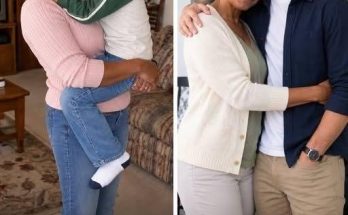
She climbed into Grandma’s lap like she was still eleven.
Grandma winced.
Lucy jumped up.
“Sorry.”
“Get back here.”
She did.
Grandma held her.
“I’m not dying today.”
“That’s not helpful.”
“I’m trying.”
“You’re bad at this.”
“So are you.”
They cried together.
Dad reacted quietly.
He sat beside Grandma at her condo.
No speeches.
He asked what she wanted.
Not medically.
Practically.
Visits.
Food.
Transportation.
Studio schedule.
Grandma gave instructions.
Then stopped herself.
“Actually, no.”
Dad frowned.
“No what?”
“I’m doing it again.”
“What?”
“Organizing everyone.”
“You like organizing everyone.”
“I do.”
“Maybe you’re allowed.”
Grandma thought.
“Some.”
She made one rule.
No one should rearrange their entire life to perform devotion.
Visit because you want to.
Help when you can.
No attendance score.
No emotional debt.
Rachel immediately broke the rule by creating a spreadsheet.
Grandma banned the spreadsheet.
Rachel renamed it “logistics.”
Grandma allowed it.
Families change slowly.
Grandma stopped formal treatment after a short trial.
Side effects took too much from her.
Some relatives questioned the decision.
Dad did not.
That surprised her.
“You don’t have an opinion?”
“I have several.”
“Of course.”
“But it’s your body.”
Grandma smiled.
“You learned.”
“Expensively.”
Dad became one of her most reliable companions.
Not because she restored him to favorite status.
Because he had time.
His part-time work was flexible.
He drove her to appointments.
Sat through infusions.
Picked up groceries.
Sometimes they argued.
About music.
Politics.
Whether soup counted as dinner.
But he no longer managed her medical decisions.
One afternoon, a doctor asked Dad whether Grandma wanted stronger pain medication.
Dad looked at Grandma.
“What do you want?”
She answered.
The doctor adjusted the prescription.
That tiny pause—Dad refusing to answer for her—would once have been impossible.
Grandma noticed.
Later she told me, “Your father is becoming decent at the exact moment I have no time to enjoy it.”
“That seems unfair.”
“It is.”
“Are you angry?”
“Sometimes.”
“With him?”
“Yes.”
“With yourself?”
“Yes.”
“With Grandpa?”
“Constantly.”
“That sounds crowded.”
She laughed.
Grandma spent her final months cataloging stories.
Not assets.
Stories.
She recorded audio at the studio.
How Grandpa proposed.
How terrible Dad’s first piano recital was.
How Rachel once cut her own hair before a wedding.
How I refused to wear shoes for an entire summer at four.
How Lucy first held the cello.
No values.
No appraisals.
No secret bank instructions.
Just memory.
She insisted that every recording include mistakes.
“Why?”
“Because family history becomes propaganda if you remove everything embarrassing.”
Fair.
One recording about Grandpa included:
Albert was brilliant, loving, stubborn, and emotionally indirect enough to hide legal documents in musical instruments instead of having conversations.
Lucy applauded when she heard that.
Another about Dad:
Harold saved a company and nearly destroyed his family because success convinced him he could redefine ownership.
Dad listened.
“That is accurate.”
Grandma added:
He also learned later than I wanted and earlier than some people ever do.
Dad cried.
The studio prepared a recital honoring Grandma.
She hated the idea.
Then agreed under conditions.
No speeches longer than three minutes.
No giant photograph of her face.
No fundraising appeal using her illness.
And absolutely no naming the building after her.
The board obeyed most.
Lucy performed.
The piece was one Grandma had played as a teenager.
The viola appeared too.
A conservatory student played it.
Grandma sat in the front row.
Dad beside her.
Mom two seats away.
Me.
Rachel.
Daniel.
Thomas.
Grace.
Maya, now a stronger young cellist, performed on one of the foundation-funded instruments.
The program was full.
Not wealthy-family full.
Community full.
Children.
Teachers.
Parents.
Students who borrowed instruments.
Donors.
Employees.
People Grandma had never met.
That pleased her more than any inheritance.
After the recital, she asked to see the cello.
Lucy brought it.
Grandma touched the wood.
“Still stubborn.”
“It’s wood.”
“You haven’t met enough cellos.”
Lucy sat beside her.
“What happens to it when I die?”
Every adult within hearing distance froze.
Lucy noticed.
“What?”
Grandma laughed.
“Excellent question.”
Lucy looked at her.
“I mean eventually.”
“I know.”
Grandma answered carefully.
“It belongs to you.”
“Can I sell it?”
Dad looked down.
The old question returned.
Grandma did not hesitate.
“Yes.”
Dad looked up.
Lucy seemed surprised.
“Really?”
“Yes.”
“But Great-Great-Grandpa wanted it kept.”
“He wanted it respected.”
“That’s different.”
“Yes.”
“What if I sell it for a house?”
Grandma smiled.
“Your decision.”
“A pool?”
Everyone laughed.
Lucy grinned.
Grandma continued.
“I hope you consider its history. I hope you never sell because someone pressures you. I hope you understand what it means to you first.”
“But I can.”
“Yes.”
Ownership.
Finally without mythology.
Dad listened.
His eyes filled.
He did not object.
Grandma saw.
“Harold?”
“Yes?”
“Anything to add?”
He shook his head.
“No.”
That may have been his final lesson from her.
Not every question required his answer.
Grandma worsened in July.
Pain increased.
Energy vanished.
She moved into hospice care at home.
Mom cooked.
Rachel handled practical errands.
I managed medical calls because Grandma chose me for that role.
Dad sat with her in the evenings.
Lucy visited after school.
Sometimes played cello.
Sometimes refused.
Grandma never asked her to perform on command.
One night, Dad called.
“Come.”
That was all.
We came.
Grandma was awake but weak.
Everyone gathered.
She looked irritated.
“I said no death vigil.”
Rachel cried.
“This is not a vigil.”
“It looks like one.”
“Shut up, Grandma.”
Grandma smiled.
“Good.”
Mom sat near the window.
Dad beside the bed.
Lucy on the floor.
Grandma looked at each of us.
Then said, “No promises.”
Everyone stared.
“What?”
“No deathbed promises.”
Dad laughed softly.
“Mother.”
“I mean it.”
She pointed weakly.
“No ‘I’ll keep everyone together.’ No ‘I’ll protect the studio forever.’ No ‘I’ll never sell anything.’”
Lucy smiled through tears.
“No promises.”
“Good.”
Grandma looked at Dad.
“You especially.”
“I wasn’t going to.”
“Liar.”
He laughed and cried at once.
Then Grandma took his hand.
“I forgive you.”
The room became still.
Dad stared.
She continued.
“That is mine to give.”
He started crying.
“It does not return authority.”
He nodded.
“It does not erase consequences.”
“I know.”
“It does not mean I approve of what you did.”
“I know.”
“It means I do not want to carry anger into whatever comes next.”
Dad pressed her hand to his forehead.
“Thank you.”
Grandma looked at Mom.
“I forgive you too.”
Mom sobbed.
Then Rachel.
“For being insufferable at twenty-two.”
Rachel laughed.
“That’s what you choose?”
“Yes.”
Then me.
Grandma smiled.
“You.”
“What?”
“I have nothing dramatic.”
“Disappointing.”
“You are still too independent.”
“I’ll work on accepting unnecessary help.”
“Good.”
Then Lucy.
Grandma’s face softened completely.
“No inheritance speech.”
“Good.”
“No burden.”
“Good.”
“Play because you want to.”
“I will.”
“Keep the cello if you want to.”
“I will.”
“Sell it if you want to.”
Dad cried harder.
Lucy nodded.
“Okay.”
Grandma died two days later.
Quietly.
Morning light.
Dad beside her.
No final revelation.
No hidden key.
No secret amendment.
Just death.
It hurt more than every scandal.
Because there was nothing to solve.
Click here to continue reading: PART 40: After Grandma’s Funeral, the Family Faced Her One True Final Gift: Nothing Hidden, Nothing Conditional, and Nothing Left to Fight Over
My Daughter Opened the Empty Cello Case, and My Parents Gave Me an Answer I Could Barely Believe
Part 39 of 40