Part 3
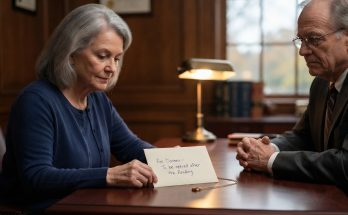
The flash drive contained three things: a scanned ledger from my grandmother’s desk, copies of bank transfers, and a video recorded six weeks before she died.
I watched it alone in the study, the curtains open to the lake, my grandmother’s shawl resting across my lap. She looked thinner than I remembered, but her voice was steady—and that mattered more than anything.
“If you are watching this,” she said, “it means Carol and Madison are doing exactly what I feared.” She paused to catch her breath. “Claire, I want this on record. You did not pressure me. You protected me. Madison took money from my accounts, forged checks, and lied repeatedly. Your mother helped cover it. I changed my will because I would not reward theft and cruelty.”
I remained there long after the screen went dark.
Then I called Daniel Mercer and said, “How hard do you want to hit them?”
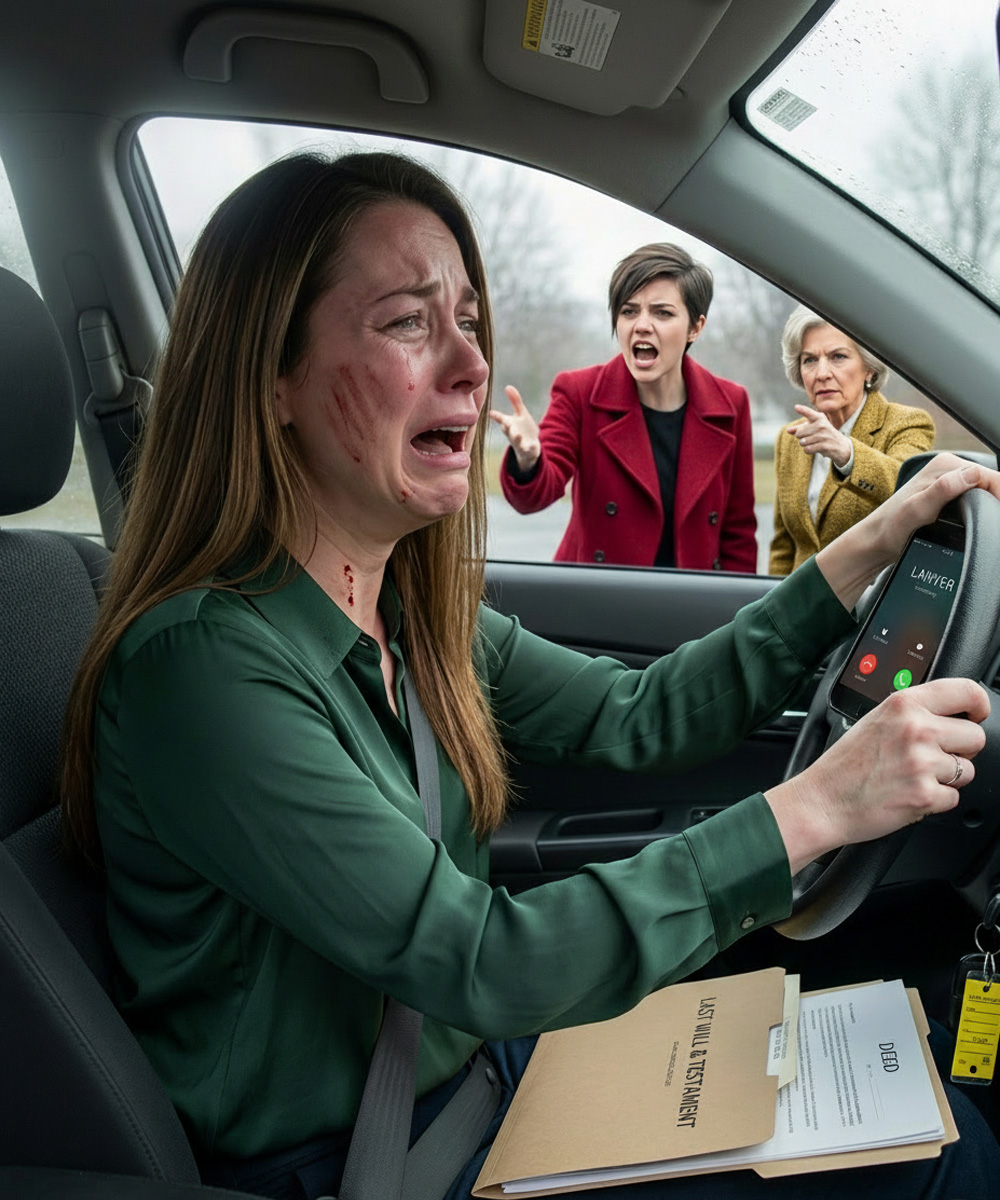
What followed wasn’t dramatic in the cinematic sense. It was cleaner than that—and far more devastating. Mercer filed to defend the will, attaching the video, the theft records, the assault report from the parking lot, and the break-in charges from the lake house. The bank opened a fraud investigation. The trustee froze Madison’s limited trust. My mother hired a lawyer who withdrew within two weeks after reviewing the evidence. Madison posted vague accusations online about betrayal and greed—until a detective contacted her about forged signatures. Then she went silent.
The probate hearing lasted less than an afternoon.
My mother cried on the stand, claiming it was all a misunderstanding. Madison insisted Grandma had “wanted to help” and simply forgot authorizing the transfers. Mercer played the video. He presented enlarged copies of forged checks beside authentic signatures. Then he produced receipts showing Madison spent my grandmother’s money on designer bags, salon treatments, and a luxury weekend in Miami—the same month she claimed she couldn’t afford medication.
The judge’s expression shifted slowly. From boredom. To irritation. To something colder.
When he upheld the will in full, rejected their challenge, and referred the financial records for criminal review, Madison turned toward me in the courtroom and whispered, “You ruined my life.”
For once, I answered.
“No,” I said. “I stopped letting you ruin mine.”
My mother tried to confront me in the courthouse hallway afterward, but Mercer stepped between us. She looked older than she had even a month earlier, as though entitlement had been makeup someone had finally washed away. “She’s your sister,” she said, her voice trembling. “How can you do this to her?”
I looked at the woman who had spent my entire life teaching me to bleed quietly so Madison could stay comfortable.
“The better question,” I said, “is how you watched her become this and kept calling it love.”
I left before she could respond.
By summer, the lake house felt less like a battleground and more like a home. I refinished the porch. Painted the guest room pale green. Kept the antique painting over the fireplace because Grandma loved it. Planted white hydrangeas beneath the front windows because she never got the chance. I began therapy for the first time. I started sleeping through the night. I began to recognize what peace sounds like when no one is trying to take it from you.
There was no reunion. No dramatic apology. Madison accepted a plea deal when the investigation closed in. My mother moved into a smaller rental and sent one letter I never opened. Some people hear boundaries as cruelty because they rely on your silence to survive.
I was done surviving that way.
A year later, I stood on the dock at dusk holding a mug of coffee as the lake turned gold under the sun. Mercer had become a friend. The house was fully mine. My grandmother’s name lived on in a scholarship fund I created for girls in our county who needed tuition and a real chance—not a lecture about gratitude.
Sometimes I still touched the faint scar near my lip and remembered that parking lot—the slap, the blood, the first taste of rage. But what stayed with me more was what came after—the moment I realized I didn’t need my family to change before I could be free.
That was the true inheritance.
Not the house. Not the deed. Not the money.
Permission to stop begging broken people to love me the right way.
She Married a Deaf Man for a Bet—Then Found Something Alive in His Ear
Part 2 of 2